

AI in education: between knowledge transmission and sovereignty
What is Sovereign AI for education?
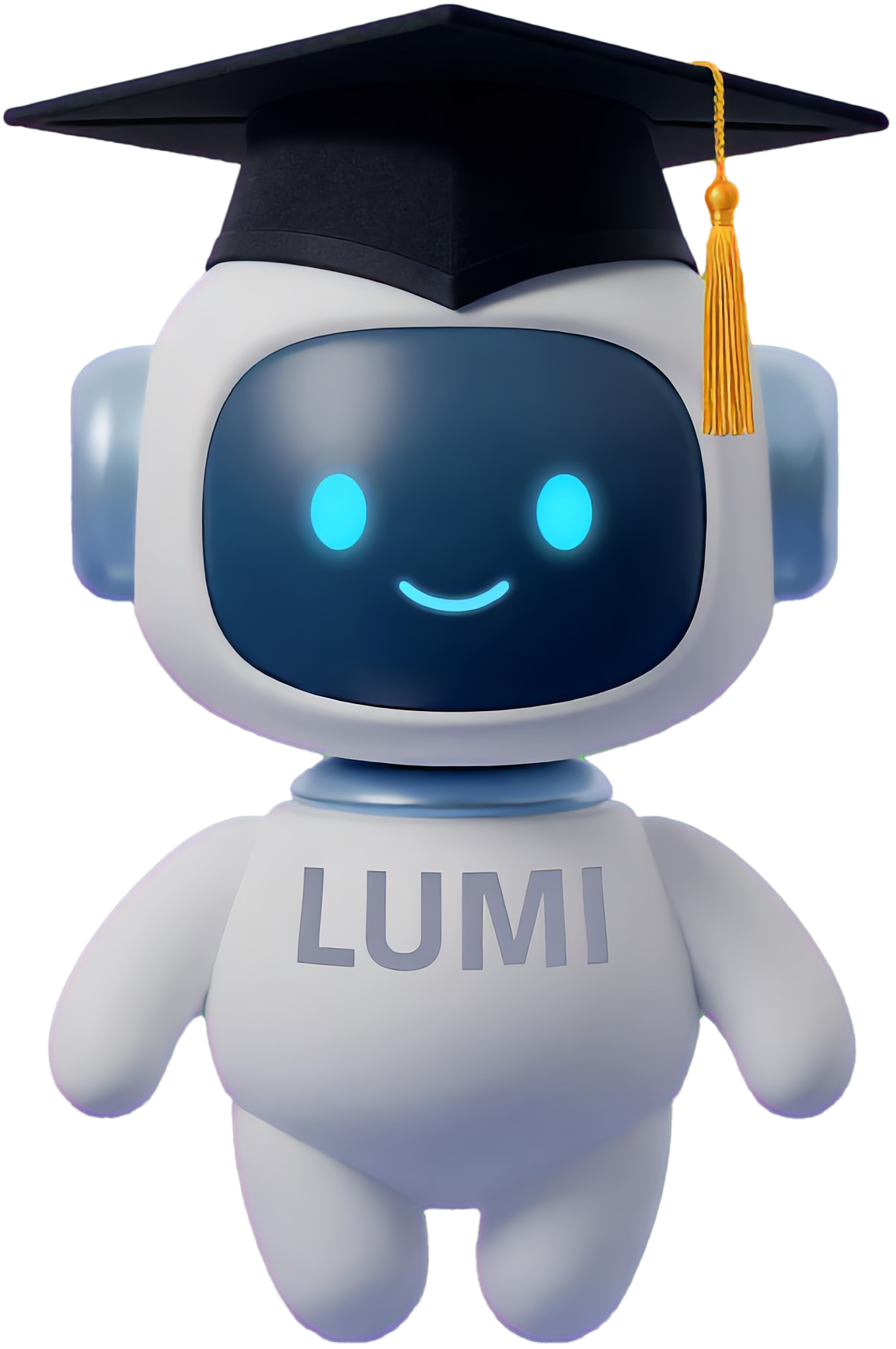
It is Luxembourg’s flagship initiative to transform the national school curriculum into an intelligent, secure and interactive digital platform under full public governance. At its core, a curriculum graph connects descriptors, cycles, learning domains and transversal priorities with validated Luxembourgish teaching resources and assessment items, creating a living curriculum ecosystem that can be continuously enriched.
How can Sovereign AI help teachers?
It supports teachers in translating curriculum intent into practice by enabling faster lesson and sequence planning, improved differentiation and a reduced documentation workload, while ensuring that pedagogical decisions remain with teachers. Specialised AI assistants are being developed for clearly defined use cases, such as planning support, generating differentiated tasks, creating formative assessment pages, providing feedback and creating individual support plans. These assistants will operate under strict data protection standards.
Why does it matter?
Education systems require trustworthy, curriculum-based AI that is sovereign. Hosted on national
infrastructure, the platform guarantees controlled access to sensitive data and avoids structural dependency on external cloud providers.
What’s next?
The project will enter pilot phases and be progressively expanded to further enrich the curriculum graph and extend the approach to secondary education and vocational training.
Raising AI awareness: AI is not human
What is the AI ≠ Human campaign?
Interactions with chatbots and other conversational AI tools can feel so natural that users may develop a false sense of emotional connection. That is why the AI ≠ Human campaign, represented by the robotic doll René, carries a clear message: AI cannot replace human relationships.
How does the campaign help young people?
The initiative encourages young people to think critically about their use of chatbots. While AI can provide quick answers, it can never replace genuine human connection. AI has no emotions and cannot help solve personal problems. This message is conveyed through René, a mannequin with a tablet screen as a head. Young people can interact with René to better understand why human interaction remains irreplaceable.
Why is this important?
Although AI offers certain advantages, such as instant responses, its use also involves risks. The campaign raises awareness of issues such as social isolation, personal data collection, reduced critical thinking, a lack of real dialogue and the loss of human support.
It promotes five key messages:
- AI can't give you a hug;
- AI never forgets;
- AI can't think for you;
- Talk to your kids before AI does;
- AI can listen, but can't feel.[SF1]
What comes next?
Led by the Ministry of National Education, Children and Youth, in collaboration with the National Conference of Students of Luxembourg (CNEL), the Centre for Psychosocial and Educational Support (CePAS) and BEE SECURE, the campaign includes videos, posters and awareness-raising activities.
René is also used in direct sessions with young people to help them better understand the limitations and biases of AI. The campaign also includes workshops and educational resources for younger children.. A guide for parents will also be published shortly.